How Electronics Recycling Services Ensure Environmental Safety
Sustainable Solutions: How E-Waste Recycling Services Are Saving Our Planet
Electronic waste presents serious dangers to the environment, as disposed electronics frequently harbor hazardous substances. These toxic materials have the potential to taint soil and water sources, leading to broader ecological damage. Electronic waste recycling programs offer an effective remedy. They not only recover valuable resources but also mitigate pollution. Comprehending the Click here operation of these services and their influence on communities is of great importance. The journey towards effective e-waste management raises critical questions about individual responsibility and collective action. What actions should be considered going forward?
The Reasons E-Waste Is Damaging to the Planet
Although technology enhances our daily lives, e-waste creates considerable environmental hazards. Disposed electronic equipment, often containing dangerous compounds like cadmium, lead, and mercury, can leach toxins into groundwater and soil, presenting dangers to both wildlife and human well-being. The accelerating rate of technological innovation contributes to higher rates of electronics disposal among consumers, intensifying the growing problem of e-waste.
Landfills, already overwhelmed with refuse, find it difficult to handle the increasing amounts of discarded devices. Incineration, another disposal method, releases harmful pollutants into the atmosphere, contributing to air quality degradation. Moreover, poor recycling procedures can cause e-waste to be sent to developing regions, where employees may disassemble electronics without sufficient safety precautions, leaving them vulnerable to harmful substances. This pattern of negligence and mismanagement highlights the critical demand for eco-friendly recycling alternatives that can reduce the damaging impact of electronic waste on the environment.
Understanding E-Waste and Its Significance
E-waste, also referred to as electronic waste, includes discarded electronic devices such as televisions, computers, and smartphones that have exceeded their operational lifespan. This increasingly prevalent form of waste is important due to its rapid accumulation, driven by technological advancements and consumer trends. With an increasing number of devices reaching obsolescence, the ecological consequences become more pronounced, with harmful substances like lead, mercury, and cadmium presenting serious hazards to the environment and human well-being.
The importance of addressing e-waste lies not only in mitigating these hazards but also in recognizing the valuable materials it contains. Critical metals and rare earth components can be reclaimed and recycled, decreasing the reliance on mining and protecting natural resources. By understanding e-waste and its implications, individuals and organizations can make informed decisions about disposal and recycling, ultimately contributing to a more sustainable future. Responsible management of e-waste plays a key role in supporting a circular economy and championing environmental stewardship.
The Way E-Waste Recycling Functions
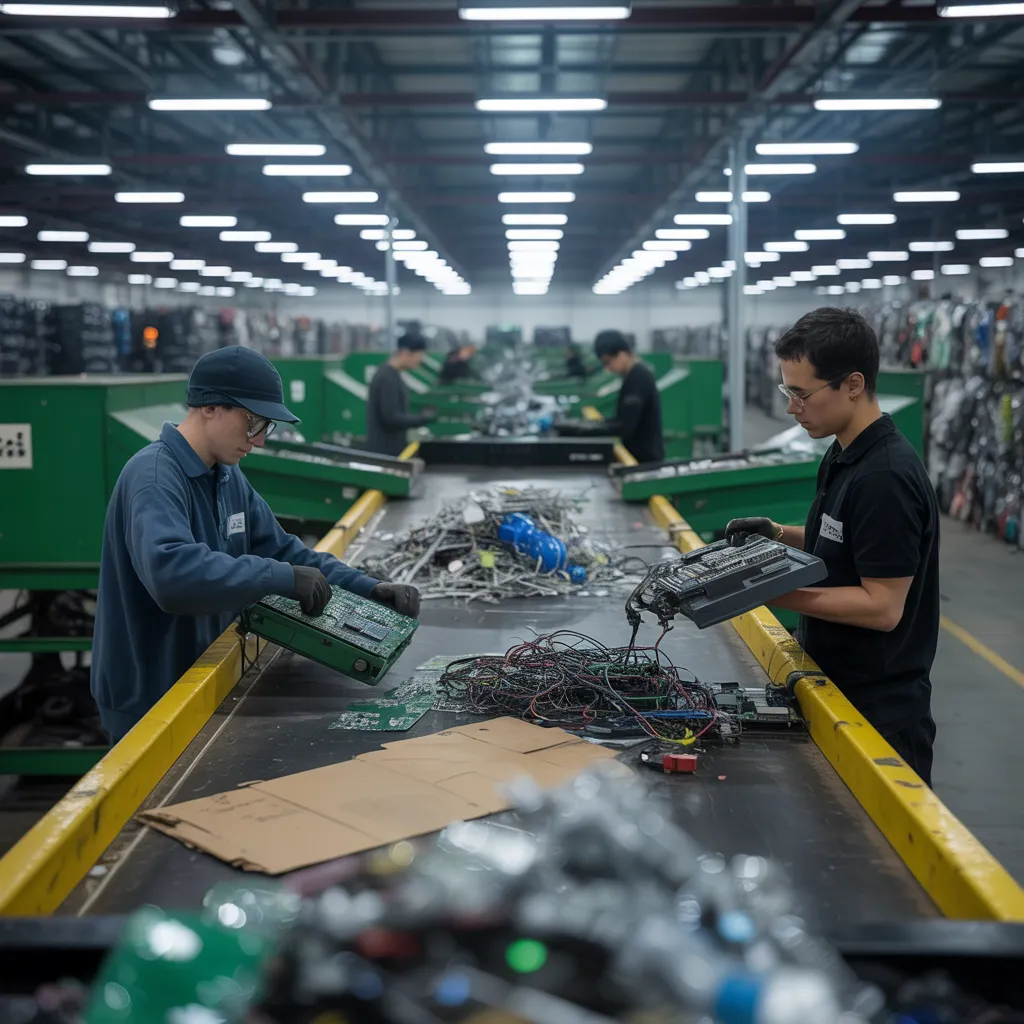
Recycling e-waste involves a systematic process designed to recover valuable materials while minimizing environmental impact. To begin, e-waste is collected and transported to dedicated processing centers. Once there, the electronics are carefully categorized to separate hazardous components from recyclable materials.
After this step, specialists dismantle the devices, extracting glass, metals, and plastics. This phase is essential, as it allows for the retrieval of rare metals like copper, gold, and silver, which may be utilized in new electronics.
Afterward, the sorted materials are processed through sophisticated techniques, such as chemical treatments and shredding, to refine them for recycling.
Finally, the remaining hazardous waste is handled with responsibility, following environmental regulations. This comprehensive process not only conserves resources but also minimizes the hazards connected to irresponsible electronic waste disposal, securing a more eco-conscious future for electronic consumption.
The Benefits of E-Waste Recycling for You and Your Community
Though many people are unaware, the positive effects of e-waste recycling go far beyond individual benefit and actively shape entire communities. By properly recycling electronic waste, individuals contribute to a safer environment, decreasing toxic components that can contaminate soil and water. This proactive approach works to protect local ecosystems and promotes public health.
In addition, e-waste recycling promotes the creation of jobs in communities. Regional recycling centers frequently need staff for various operations, from collection to processing, therefore offering work opportunities to area workers. This not only strengthens the regional economy but also inspires community dedication to sustainable efforts.
Furthermore, awareness of e-waste recycling may result in educational initiatives, encouraging residents to pursue greener alternatives. By engaging with e-waste recycling programs, individuals foster a culture of sustainability, inspiring others to embrace similar practices. Overall, the shared impact of these actions can create a more strong and environmentally aware community.
How to Select an E-Waste Recycling Service
Selecting the best e-waste disposal service is essential for ensuring that electronic refuse is handled responsibly and sustainably. To begin, consumers should check the service's accreditations, such as R2 and e-Stewards certifications, which indicate conformance to industry standards for safe recycling practices. Additionally, it is advisable to assess the company's standing by reading customer reviews and looking for recommendations from trusted sources.
Furthermore, clarity in the recycling process is essential. A trustworthy provider should supply straightforward details about how e-waste is processed and how the materials are utilized. Additionally, assessing the variety of services available can be advantageous; certain providers may offer collection services or present rewards for recycling.
Finally, familiarizing yourself with local regulations regarding e-waste disposal can additionally influence the decision-making process. By prioritizing these factors, consumers can play a role in responsible e-waste disposal while supporting sustainable environmental efforts.
How You Can Take Part in E-Waste Recycling?
Getting involved with e-waste recycling often starts at the local level, where recycling centers frequently offer essential services for proper disposal. Furthermore, taking part in community awareness campaigns can amplify efforts to educate others about the importance of responsible e-waste management. These actions not only promote sustainability but also foster a collective sense of accountability for the environment.
Nearby Recycling Facilities
A wide range of local recycling centers fulfill a critical purpose in the recycling of e-waste, giving communities practical solutions to dispose of electronic waste responsibly. These facilities handle a wide array of electronic equipment, including outdated computers, mobile phones, and TVs, verifying that toxic materials are disposed of safely. Many hubs feature qualified professionals who support individuals in understanding proper disposal practices, stressing the significance of recycling instead of landfilling. Additionally, numerous facilities provide planned drop-off gatherings or set collection days, enabling residents to engage without difficulty. Through the use of these community services, individuals contribute to a circular economy, reducing environmental impact and promoting sustainable practices. Connecting with these stations allows communities to address e-waste pollution proactively.
Community Education Campaigns
Nearby organizations, schools, and enterprises can work together to organize events that support e-waste collection drives. Community members can serve a critical function in spreading awareness, distributing educational materials, and engaging with the community. As a result of these combined actions, community members grow more knowledgeable and inspired to dispose of their electronics responsibly, thereby helping to build a greener and more sustainable tomorrow.
Frequently Asked Questions
What Electronic Devices Are Eligible for Recycling?
Various electronics are able to be recycled, including laptops, televisions, smartphones, printers, computers, and gaming consoles. Moreover, ancillary devices such as batteries, keyboards, and mice are well-suited for recycling, aiding in environmental conservation efforts.
Are There Any Costs Associated With E-Waste Recycling?
That's correct, e-waste recycling sometimes comes with costs, subject to the provider. Some service centers charge fees for gathering or treatment, while other facilities provide no-cost solutions, frequently supported by the resale of recovered materials.
What Are the Benefits of E-Waste Recycling for Businesses?
Companies can take advantage of e-waste recycling by lowering disposal expenses, strengthening their ecological standing, complying with regulations, extracting valuable resources, and creating potential earnings via resale, thus supporting a greener and more sustainable operational framework.
What Occurs with Data on Recycled Devices?
Details from recycled devices is frequently irretrievably wiped or obliterated during the refurbishment process. This confirms sensitive information is kept safe, stopping improper access while allowing components to be reused securely and sustainably in new products.
Is It Possible to Recycle Damaged Electronics?
Absolutely, damaged electronics can be recycled. Numerous centers receive damaged devices, providing safe disposal and retrieval of useful materials. Doing so helps lower harm to the environment while fostering responsible recycling practices to handle electronic waste properly.